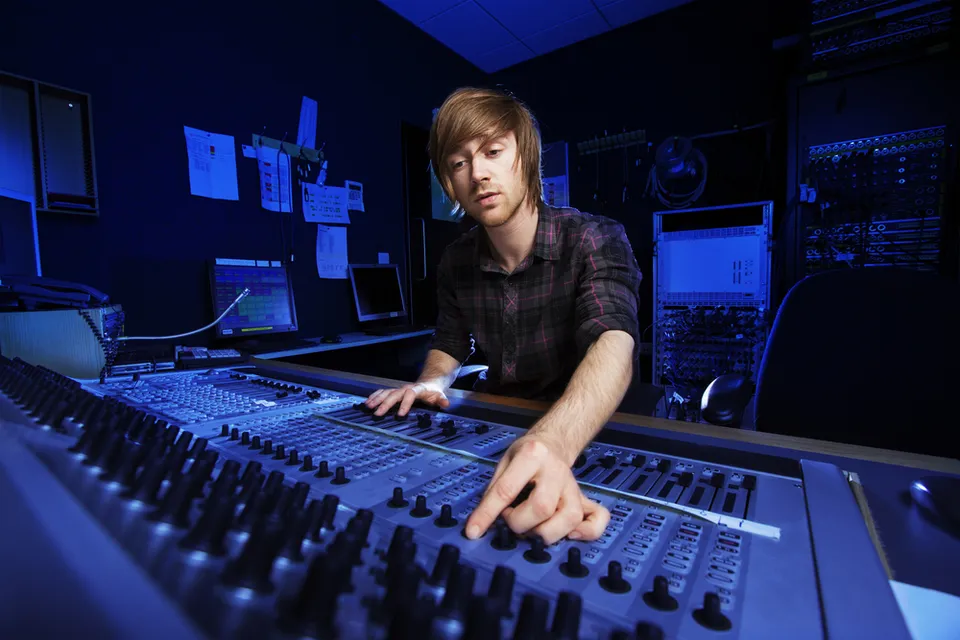
Choose the job before choosing the room
Decide whether you want solo practice, a band rehearsal, a rough recording or a finished production. These are different bookings. A room with a drum kit may be ideal for practising but may not include microphones, recording equipment or an engineer. A recording suite designed for vocals and production may not accommodate an acoustic kit at all.
Write a brief describing the number of players, your instruments and the result you want. Include whether you can bring cymbals, a snare or pedals, and whether anyone needs help with access. Ask the studio to confirm the appropriate room and total booking cost. Establish how setup and packing time fit into the session so you do not plan an hour of playing inside an hour of hire.
Factory Studios: discuss the practical setup
Factory Studios offers rehearsal spaces in Bristol and also advertises recording and other creative facilities. Use its current booking information to identify the space that suits your group. Ask what drum equipment is included in the particular room, what you need to bring and whether there are any restrictions on moving or adjusting equipment.
For a first band rehearsal, aim for a session you can organise rather than the longest booking available. Agree two or three songs and share their structures in advance. Allow time to set the kit comfortably, hear everyone and establish a sensible balance. A rehearsal is more productive when the group can discuss an awkward section instead of repeatedly playing the whole song at maximum volume.
Pirate Bristol: check the individual room inventory
Pirate’s Bristol rehearsal studios are at 100 Lincoln Street, near Lawrence Hill. The service is self-service, with room types and equipment shown online. Its listings distinguish between setups, including whether cymbals are provided. Read the inventory attached to your actual booking rather than assuming every room contains the same kit and accessories.
Bring your booking details and understand the entry instructions before arrival. Check what support is available if equipment does not work, especially during an early or late session. A rehearsal booking is not automatically a drum recording package: if you want to capture separate tracks, confirm what is possible and what additional equipment you must supply. Keep the plan simple if you are also learning how to use the room.
University of Bristol: enquire about recording hire
The University of Bristol’s Composition and Recording Studios provides information about its facilities and external hire. Contact the studio team to establish whether your project can be accommodated and which dates are available. This is an enquiry to make directly with the studio team, not a promise that any student can walk in or book a room through the normal university timetable.
For acoustic drums, explain the kit size, the music and whether the band needs to play together. Ask about the recording space, engineering support and what the quotation includes. Discuss the intended result too: a practice reference, audition video and commercial release have different requirements. Confirm delivery arrangements for mixes and files rather than assuming every stage of production is part of the initial room charge.
Prepare the kit and the music before recording
Make a short checklist of sticks, drum key, any agreed personal equipment and the arrangements you will play. Check for loose fittings and unfamiliar rattles before the session starts. If the studio provides a kit, allow time to adjust it with permission. Consistent, comfortable positioning helps you concentrate on the take instead of reaching awkwardly for a cymbal or correcting a moving pedal.
Rehearse beginnings, endings and transitions as carefully as the main groove. If you plan to use a click, practise with it before recording day and agree tempos with the other musicians. Provide a simple song map showing verses, choruses and any stops. It does not need to be elaborate notation; a clear shared structure reduces the time spent explaining the arrangement while the recording clock is running.
Use a practice recording to make the next session better
A basic room recording can reveal whether fills rush, endings are together and the drums overpower quieter parts. Ask permission before recording others and agree how the file will be shared. Listen back for one issue at a time. A rough rehearsal recording is a working tool, so focus on timing and arrangement rather than judging it against a professionally mixed album.
At the end, note what improved and what needs another attempt. Rebook with a specific purpose, such as making one transition reliable or recording a clean run-through. For questions about equipment, see our Bristol drum shopping guide; for help preparing material, explore drum lessons. Confirm current prices, equipment, access and cancellation conditions with the studio before every booking, particularly if you have not visited recently.